When I was living at Avoca Beach in the Central Coast of NSW, I had the great privilege of knowing Phil Bligh, the son of a Kullilli/Wakka Wakka father and Kalkadoon mother. Phil is also a long-standing member of the Darkinjung Local Aboriginal Land Council, and we shared time on the 5 Lands Walk committee together. One of the many highlights of living up in NSW was going on a camping trip with him and other members of the community around Mount Yengo, a place of deep significance for the Darkinjung and Wonnarua Peoples. One evening, many stories were shared and I was shown images in the sky, the significance of which I had never known or understood.
A comment Phil made to me then still resonates with me strongly today. He stated that First Nations culture was not just an ancient culture, but is very much a living, breathing and current culture which is continually transforming. It is alive and well. As a History teacher, I of course find the evidence of Traditional Custodians being here in Australia for over 60,000 years incredible, but equally, as we near Reconciliation Week, it is important we continue to gain awareness, respect and knowledge of the First Nations peoples in today’s world.
There are many ways we see First Nations cultures celebrated and honoured every day. For a few personal examples, I loved seeing Narrm Football Club (Melbourne Demons) players during the Sir Doug Nicholls Round wearing First Nations fashion designer garments as they entered the footy ground on the weekend. I love the fact I can now buy items like wattleseed, finger lime and salt bush from the supermarket for my attempted cook-up extravaganza Sundays! And next time I’m in Sydney I will be going to Mark Olive’s Midden restaurant for sure.
While the tradition of the Welcome to Country is an ancient practice, the contemporary version we’re familiar with was born when Yamatji entertainer Ernie Dingo and Noongar/Yamatji musician Dr Richard Walley performed a ceremony in 1976. Designed for the Perth International Arts Festival to welcome Maori and Pacific Island performers, this ceremony formalised the traditional practice of greeting guests, becoming a standard, influential cultural protocol across Australia.

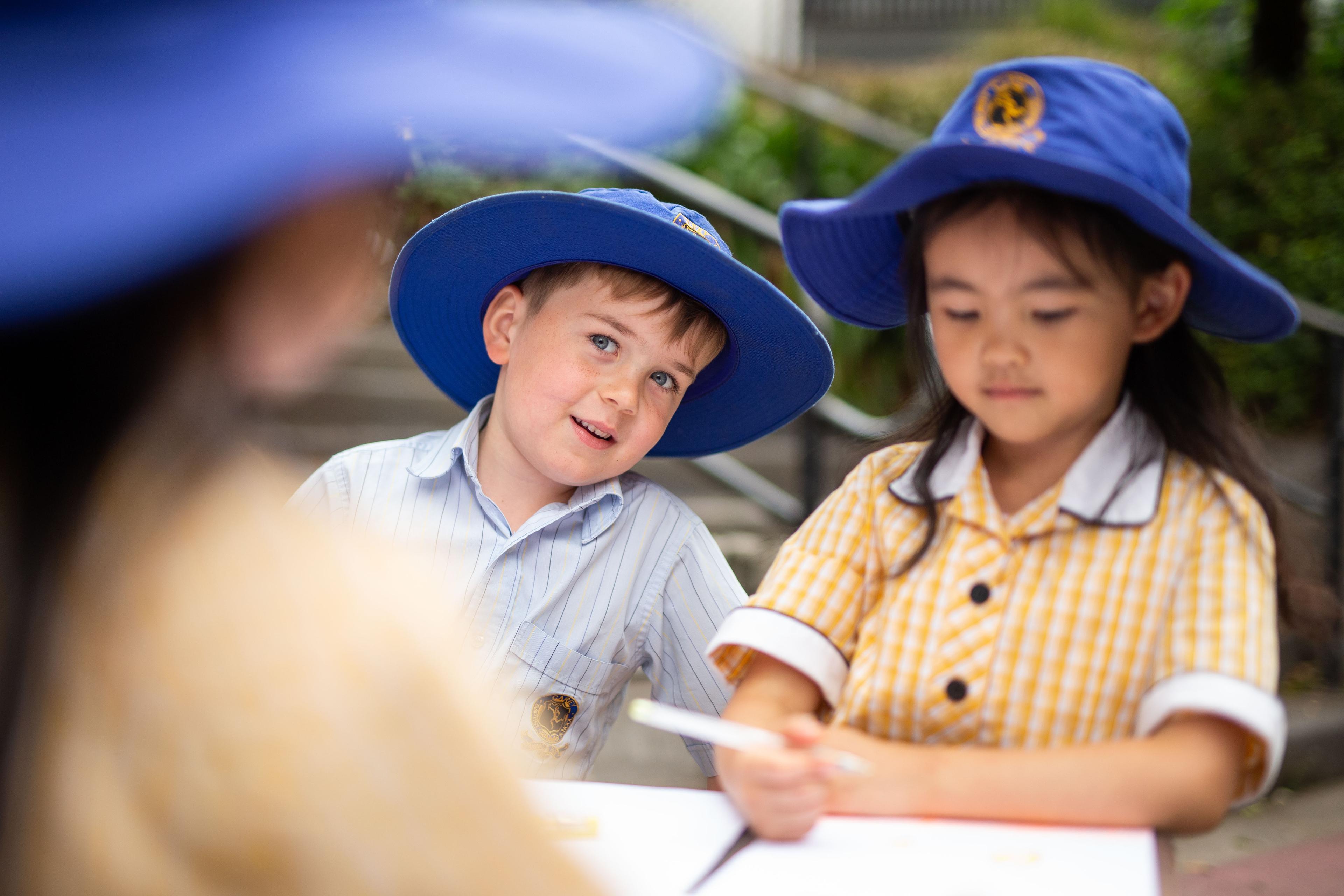
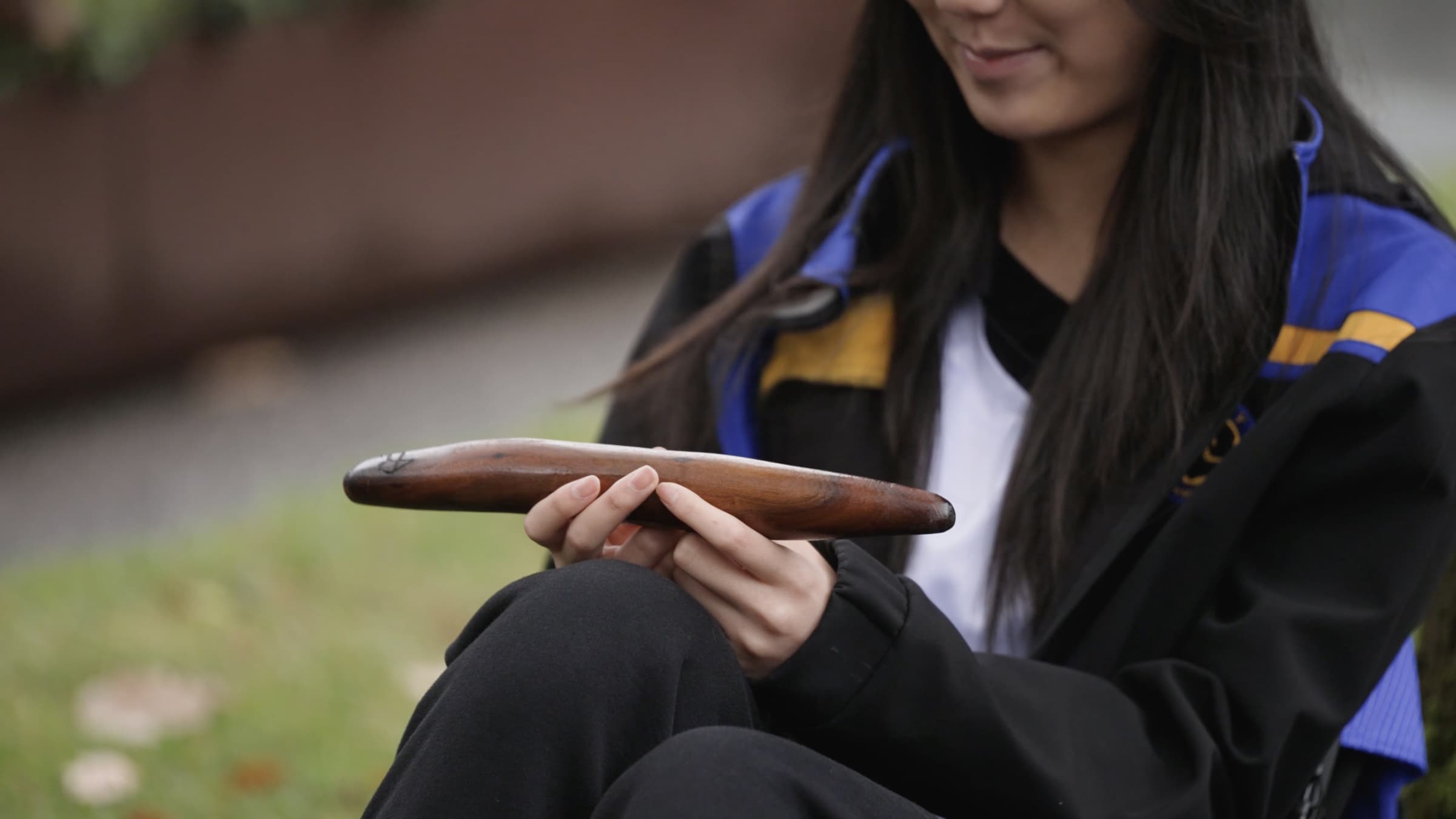
Our students continue to gain different First Nations perspectives in assemblies, through the items like the Acknowledgment of Country, and in areas such as leadership, the environment and Geography – not just History! Part of our Year 10 students’ Carey Zero experience is centred around the Yarning Stick and respectful listening from all before responding. The idea of collective understanding and equality of voice in each Zero Group stems from of First Nations cultures. It’s more than just a conversation; it’s a way of teaching!
Christian Gregory
Deputy Head of Senior School – Student Wellbeing