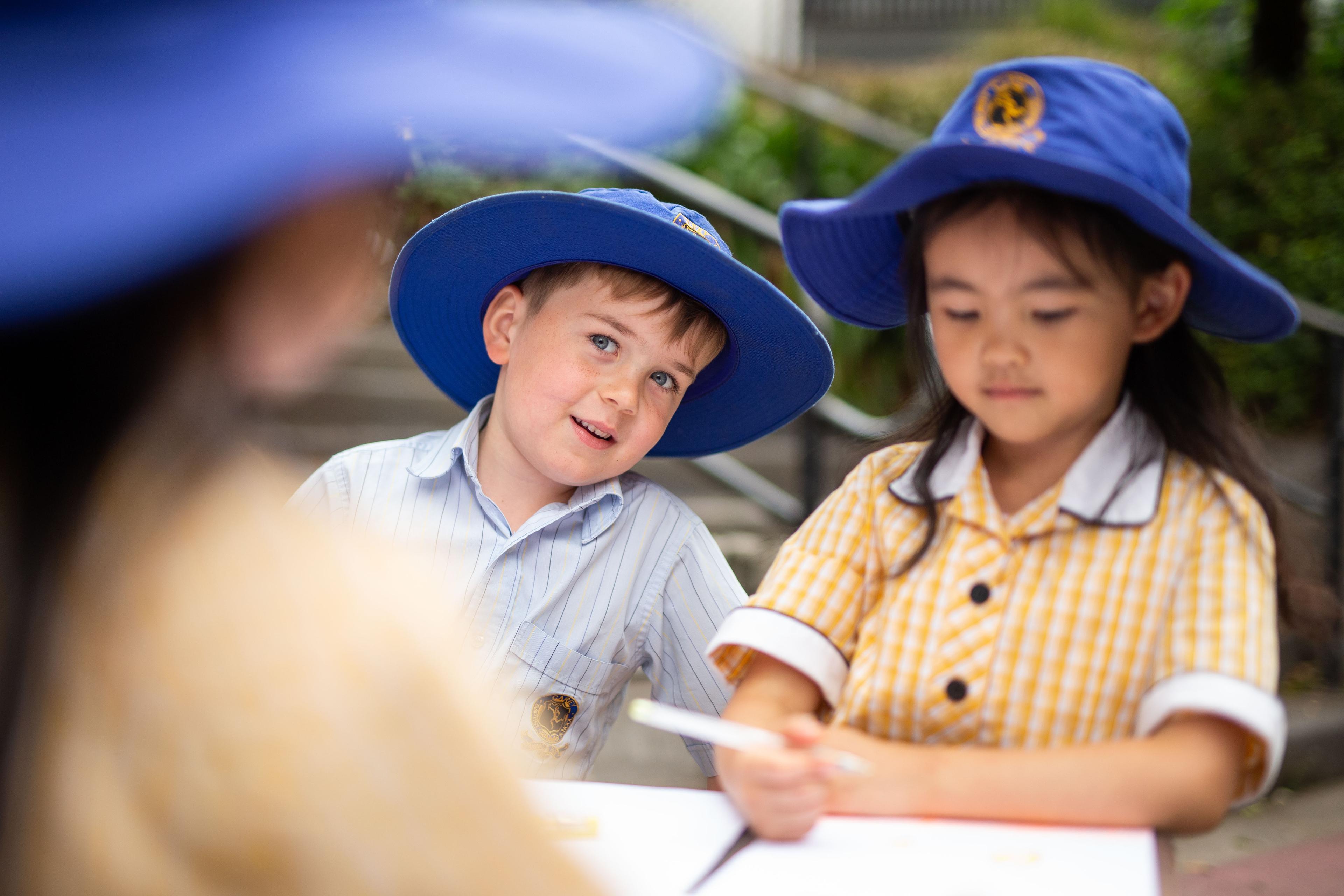
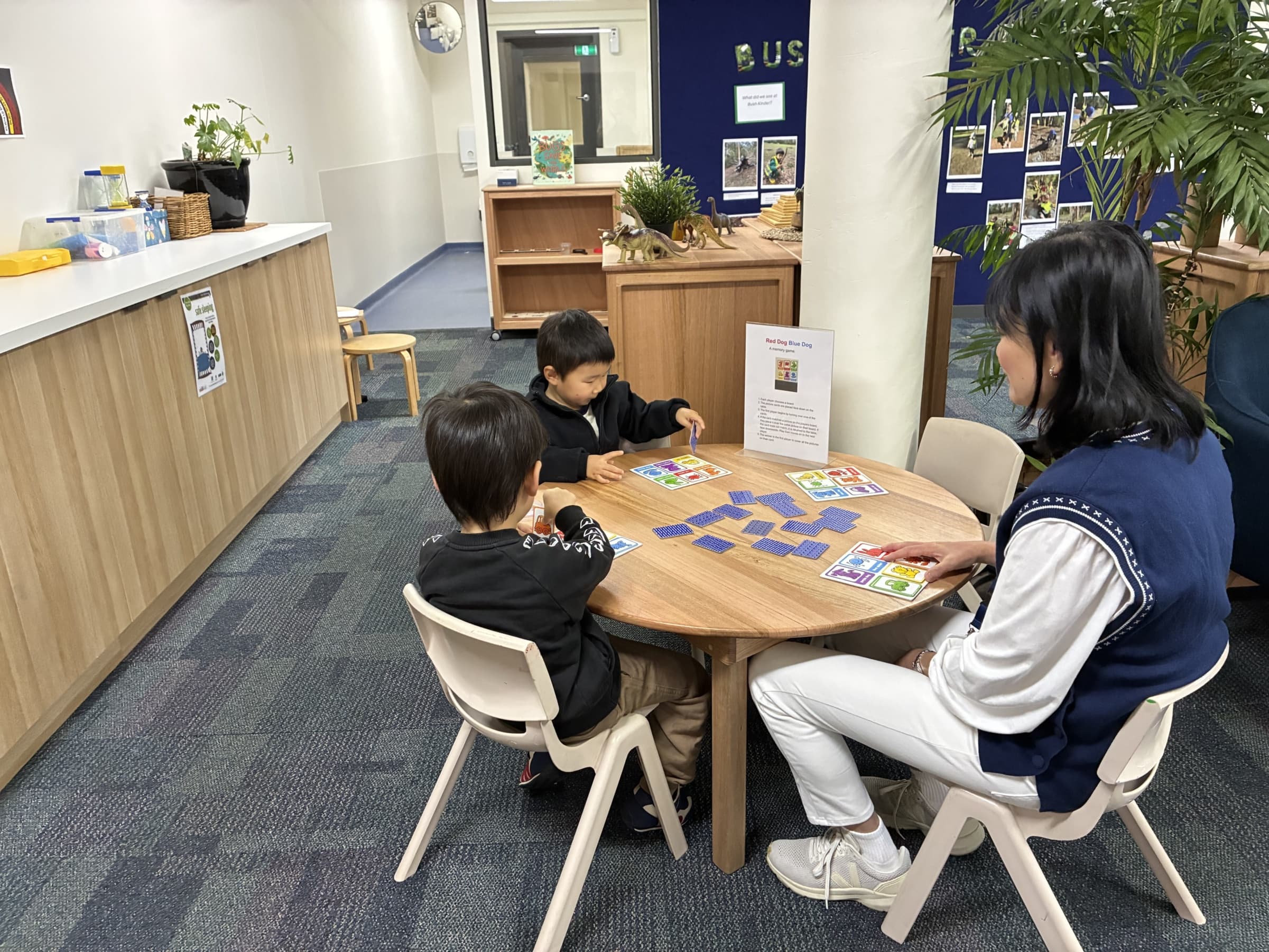
In our Early Learning Centre rooms in Kew and Donvale, there is always a place for a game.
Board games may seem simple, but for young children they offer rich, playful learning experiences. When children sit together to play, they are building strong foundations for social, emotional and cognitive growth.
Through games, children practise taking turns, sharing, co-operating and listening to others. They begin to understand that people think differently, make different choices and respond in their own ways. These early experiences help children develop empathy, patience and the ability to work with others – skills that support positive relationships both now and into the future.
Board games also strengthen thinking skills. Children learn to remember rules, follow sequences, count, match, plan and solve problems. Even simple games encourage strategic thinking, decision-making and the communication of ideas. These are the kinds of learning behaviours that help children become confident, curious and engaged learners.
Games also offer wonderful opportunities for early mathematical learning. As children roll dice, move counters, recognise patterns and compare quantities, they begin to build number sense in meaningful ways. Board games naturally support skills such as counting, subitising (instantly recognising small quantities), matching numerals to amounts and exploring simple addition or ‘how many more’ concepts. These playful experiences build confidence with numbers well before formal instruction begins, helping children see mathematics as something they can explore and enjoy in everyday life.

Emotionally, games provide a safe space to practise managing feelings. The structure and rules help create a supportive environment where children experience both winning and losing. Winning can feel exciting, while losing can feel disappointing – and both are valuable parts of learning to play together. With gentle guidance from adults, children develop resilience, persistence and the confidence to try again.
Perhaps most importantly, board games create moments of connection. Whether at home or in the early learning environment, playing together builds relationships, sparks conversation and fosters a strong sense of belonging. These shared experiences help children feel valued and supported as they learn and grow.
All these experiences reflect the principles and outcomes of early childhood learning frameworks. They demonstrate how play – particularly shared, interactive play – supports children in developing identity, wellbeing, connection, communication and a lifelong love of learning. Something as simple as a board game can provide meaningful opportunities to practise the skills children need for school and for life.
We encourage families to make time for games at home as a quiet and fun way to connect. Children delight in showing adults how they play, what they know and the strategies they are developing. When families join in, children feel proud, capable and deeply connected. These simple moments of shared play strengthen relationships, build confidence and highlight just how much learning is taking place through the joy of play.
Anne Fahey
ELC Director – Donvale campus