Late last term, I spent some time with our Year 3 Kew students reading Kobi Yamada's beautiful picture book, What do you do with a chance? On the inside cover are the words:
‘This is a story for anyone, at any age, who has ever wanted something, but was afraid of risking too much to get it. It's a story to inspire you to embrace the chances that come into your life. Because you never know when a chance, once taken, might be the one to change everything.’
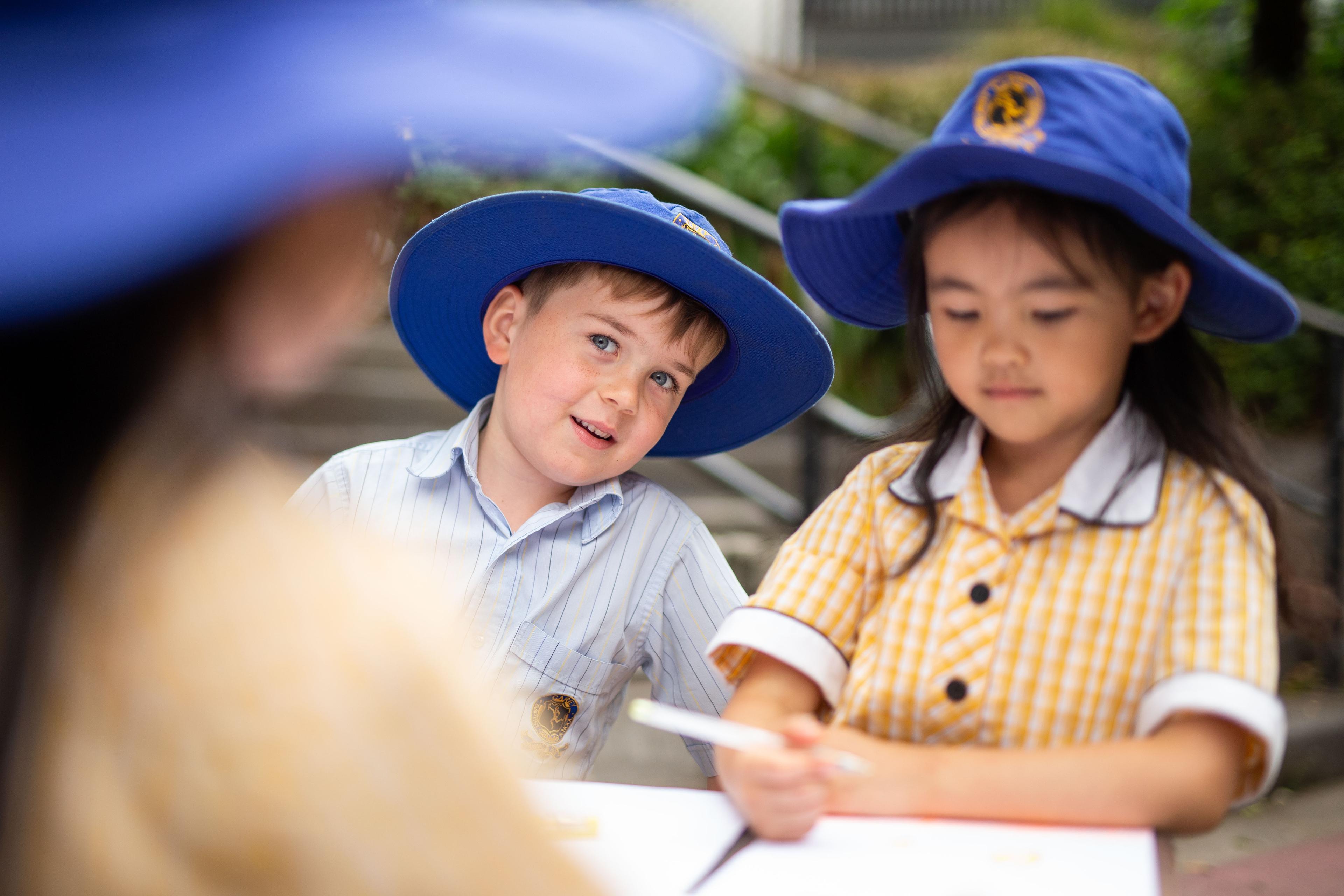
After sharing the story together, the students proudly showed me their stop-motion animation projects. As they explained their work, it became clear that they had already lived the message of the book. They had learnt new skills, solved problems they had not anticipated, persevered when things did not go to plan and, in doing so, found creative ways to bring their stories to life.
As Term 3 has unfolded, I have seen this same idea play out in many different ways, and in many different year levels across our School.
Our Prep students recently celebrated 100 Days of Prep, reflecting on how much they have learnt, experienced and achieved in their first months of school. Year 4 Donvale students, who travelled to Kew and welcomed their parents, teachers, Mr Walter and me to a special Kitchen Garden luncheon, demonstrated the same spirit. With great pride, they served a meal prepared from ingredients they had helped to cultivate, harvest and cook, sharing the results of months of learning and effort.
As part of their Human Rights Commission Immersive Experience, our Year 8 students engaged deeply with the story of human rights advocate Marsal Sadat. Students listened carefully as Marsal described fleeing Afghanistan as a 19-year-old after the Taliban takeover, rebuilding her life in Australia and pursuing her dream of becoming an elite athlete, all while being separated from her parents. It was a powerful reminder that courage is not always found in grand gestures, but often in the decision to keep moving forward in the face of uncertainty. Beyond the HRC experience, Year 8 students have also embraced the challenges and opportunities presented through Outdoor Education at Hattah and their Immersive Rural Experience.
Similarly, our Year 9 and 10 students have continued to step into the opportunities presented by their Robinson River and Zero experiences respectively. We know that for many of these students, these journeys will be transformative and they will reflect upon them for many years to come.
The same willingness to take a chance has been evident in the many students who took to the stage at Cabaret Evening, with a number performing solo for the first time. It has also been evident in our girls' sporting teams, who represented Carey in APS Soccer and Netball Grand Finals and the Herald Sun Shield AFL Finals. Whilst the results did not fall our way, their commitment, resilience, determination and heart were unmistakable.
Most recently, alongside Mr Walter and several senior leaders, I have had the privilege of interviewing aspirant School Captains. These young people spoke passionately about their desire to give back to the school community that has given them so much. They reflected thoughtfully on the ways in which their experiences at Carey have shaped them into the young adults they are becoming and shared their commitment to working alongside staff and students to further strengthen and shape our great School. Many spoke about leadership as an opportunity to serve others and make a positive contribution to the community around them.
As I have reflected on these experiences, I have found myself returning to the work of Fred Luthans, Carolyn Youssef-Morgan and Bruce Avolio, whose research into Psychological Capital, or PsyCap, suggests that success is strongly associated with four psychological resources: Hope, Efficacy, Resilience and Optimism, known collectively as HERO. What I find particularly compelling about this research is the suggestion that these qualities are not developed when life is easy. Rather, they grow when young people encounter challenge, experience setbacks and realise they are capable of overcoming them.
This idea is reinforced by Albert Bandura's work on self-efficacy, which suggests that confidence grows through mastery experiences. Put simply, young people build belief in themselves by doing difficult things and discovering they can succeed. We also know from research into neurological plasticity that new experiences, challenge and learning quite literally shape and strengthen the brain. When students step onto a stage, travel to an unfamiliar environment, compete in a grand final, engage with perspectives different from their own or put themselves forward for leadership, they are doing far more than participating in a school activity. They are developing the capabilities and dispositions that will serve them well throughout their lives.
As educators and parents, we cannot take chances on behalf of young people. What we can do is ensure they have opportunities to take them for themselves. Across every year level this term, I have seen students embrace experiences that have challenged them to learn, contribute, connect and grow. These opportunities matter because they help shape what our students know, what they can do and, ultimately, who they are becoming.
Kellie Lyneham
Deputy Principal – Quality and Innovation