Middle School
Learning in Middle School
The learning program from Year 7 to 9 is designed to help students find their passions.

Years 7 to 9 at Carey Baptist Grammar School offers students an extensive range of subjects and experiences, based on their needs at this stage of their learning.
Through our ongoing core studies, immersive units and extensive elective program, students enjoy the challenge of learning about the world in a fully supportive environment.

Core Subjects
(Chinese, Indonesian or French)MathsScience
Art, Design, Drama and Music are also compulsory in Year 7, but make up part of the wide range of elective subjects in Years 8 and 9.

Elective subjects
Students at Carey are empowered to forge their own pathways and take ownership of their learning. It is important to provide students with a broad range of subjects to choose from so they can decide what will be most beneficial to their education. Students are more engaged when they’re learning about what they really care about.
To complement the core subjects, students in Years 8 and 9 choose four semester long elective units to study across the year.
Immersive Units
The Middle School learning program is enriched with real-world learning that challenges students to explore beyond their physical and emotional boundaries. The immersive units are an important part of this learning.
This experiential learning allows students to visit rural, urban and remote locations throughout Victoria, exploring the different natural and built environments and observing the world around them and gain a deeper understanding of the natural and human systems at work.
All students participate in these week-long intensive and interdisciplinary experiences every term throughout Middle School.
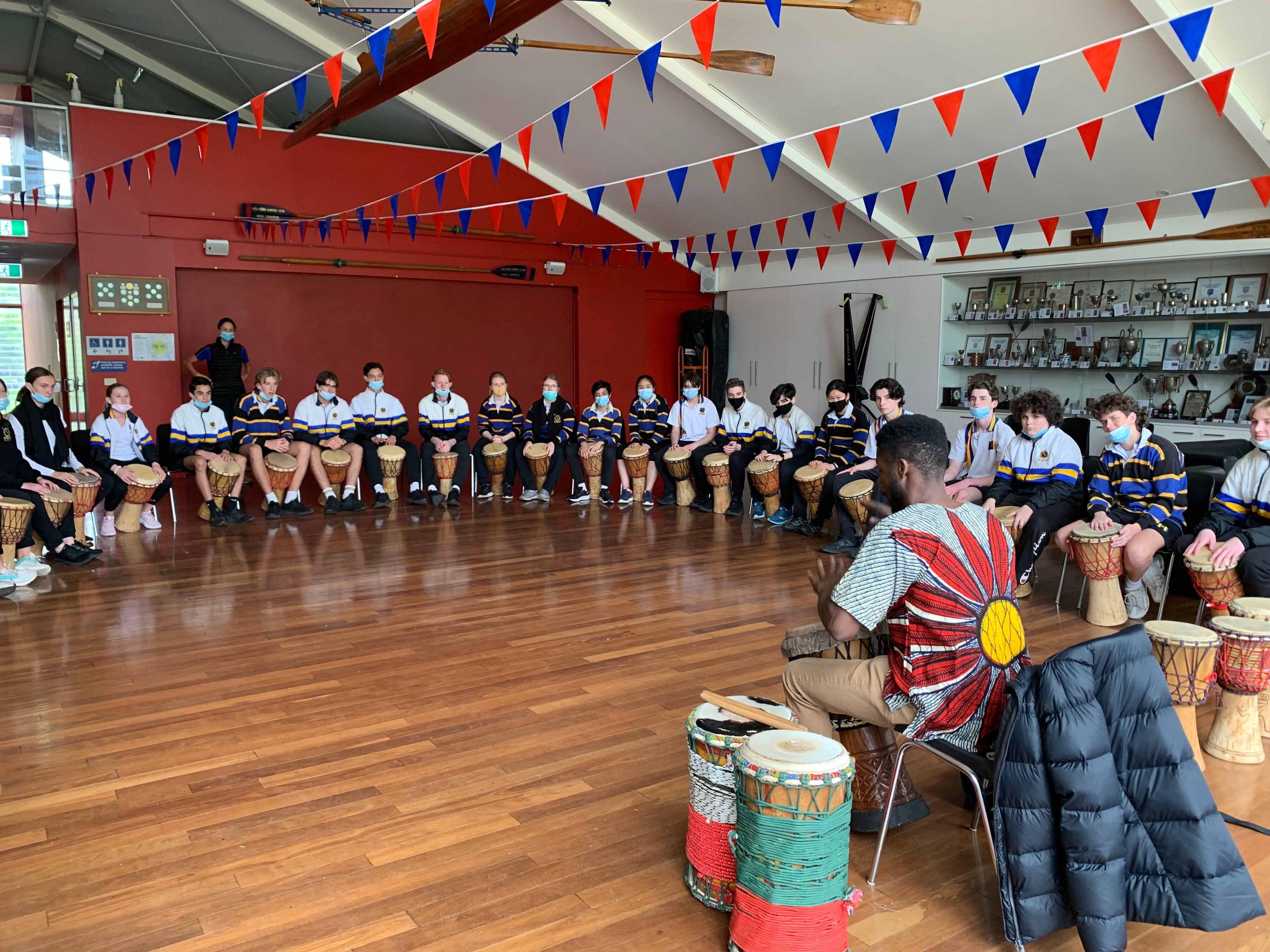
Head of Integrated and Immersive Learning, Sally Nelson, talks about Immersive Learning in the Middle School at Carey.
Co-curricular opportunities
The co-curricular program at Carey provides experience and training in activities that can enrich students’ lives well beyond their school years and expand their friendship groups across year levels and House groups. It includes sport, music, theatre, outdoor education, debating and many more opportunities. There is something at Carey to suit every student’s interests and passions.


Student Wellbeing
The Student Wellbeing team has whole-school responsibility for and oversight of student wellbeing at Carey. Led by the Head of Student Wellbeing and made up of the School Nurses, School Psychologists, Student Guidance Co-ordinators, Wellbeing Project Co-ordinators and wellbeing administrators, Student Wellbeing works in partnership with each of the four school sections to promote and progress student wellbeing, mental and physical health and social/emotion learning in a three-tiered way:
- Universal: whole-school initiatives that foster positive wellbeing for all students
- Targeted: programs and interventions that help shape the trajectory for individuals or small cohorts of students
- Intensive: personalised responses for students who need support.
Learning Development
Carey attracts and embraces students with a wide range of abilities. At any given time, the school population includes students who require extension or intervention beyond the classroom. Learning Development programs are a core component of our focus on wellbeing at Carey, and allow students to maintain curiosity, creativity and motivation by truly tailoring the curriculum to suit each individual’s needs.
Talent Development
Talent Development at Carey encourages students by fostering their skills in thinking and research, and providing extension in their area of talent. Carey supports the needs of highly able students through the curriculum and differentiation in the classroom. This may be accompanied by individual programs, small groups, and whole-class and whole-school activities. All students are supported to reach their academic and personal goals.


Robinson River
Robinson River is a remote Aboriginal community of about 200 people on Garawa Country in the Northern Territory. Carey has established a special relationship with the people of Robinson River and, along with various support programs throughout the year, makes an annual visit to the Robinson River School and community with a small group of Year 6 and Year 9 Carey students. A group of students and staff from the Robinson River School also visit Carey each year and spend time with our community.