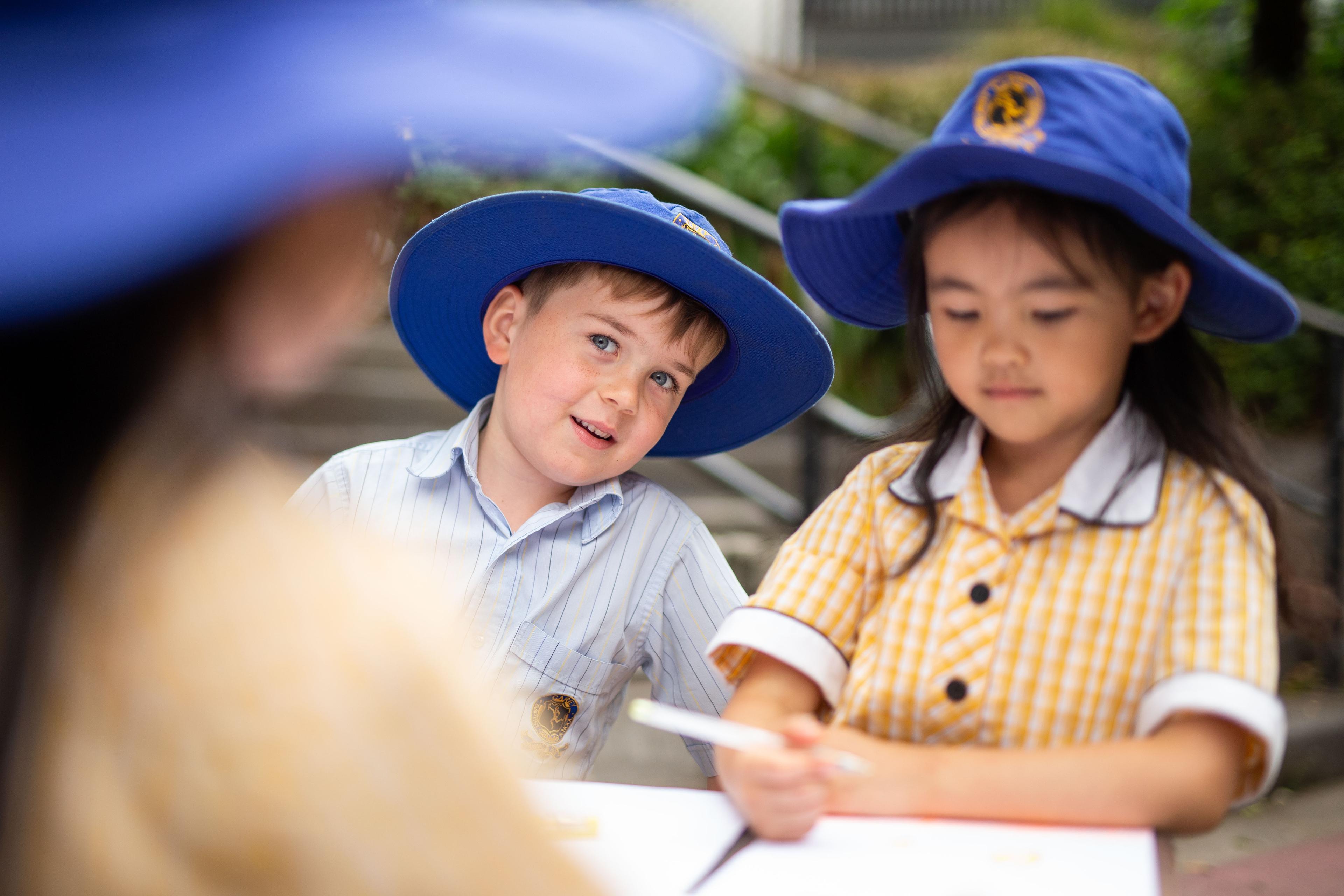

There are a range of skills called ‘soft skills’, not because they are unimportant, but because for a long time, it was thought you couldn’t teach them. Soft skills shape one’s life and all aspects of school, work, communication and relationships. They are essential skills for thriving in life. ‘Hard skills’ are understood to be more technical and job- or work-specific skills. Previously, it was thought that soft skills couldn’t be taught, but more recent research and the developing study of neuroscience have helped us understand that soft skills are essential and can be taught and enhanced from early childhood.
In the early childhood years, we are very conscious of these soft skills and their important role in moulding the behaviours that support the development of kindness and empathy. In more recent times, we have become more active in explicitly teaching these skills rather than leaving them to chance. In teaching both kindness and empathy, we are supporting the building of social and emotional literacy, teaching children the words for their feelings and helping them to understand others’ perspectives. Building positive peer relationships helps develop socially compassionate, responsible adults.

The importance of these skills aligns with all the Australian Early Years Learning Frameworks and the Victorian Early Years Learning and Development Framework. As educators and teachers, we model appropriate and supportive behaviour and we celebrate and reinforce acts of kindness in whatever relationship we notice them – between children and children, children to adults and adults to children, and adults to adults. We do this by reading books and drawing the children’s attention to kind and unkind behaviour or words, role playing and using puppets, singing songs and celebrating the children’s growing understanding of empathy and kindness.

An important analogy we use is about filling another person’s bucket. What fills your bucket? How do you notice kindness in your family? Do you consciously take time to do a random act of kindness?


There are so many wonderful picture story books that support talking about feelings, naming the feelings and creating opportunity to talk with your children about perspective – maybe instead of asking at the end of the day, ‘What did you do today?’, you could ask, ‘Whose bucket did you fill today?’ or ‘Who were you kind to today?’ and ‘How did that make you and them feel?’
Wendy Seidler
ELC Director – Kew campus