Having just finished a fortnight of parent-teacher interviews as we hit the halfway point of the year, I thought it might be useful to reflect and unpack the early childhood parent-teacher interview process and reporting.
The one universal question asked by parents in parent-teacher interviews is, ‘So how does my child compare to the other children?’ The purpose of the PTIs is to talk about the individual child’s development within the group setting. There is a wide range of norms; think back to your child learning to walk: some children walk at nine months and others at 15 months – teachers take the range into consideration when sharing individual development, and each child’s journey is unique.
The opportunity to share and celebrate achievements, milestones, progress, share concerns and create goals together is critical for children’s learning journey. Alignment with home /family and the centre is acknowledged these days a critical factor of children’s learning success.
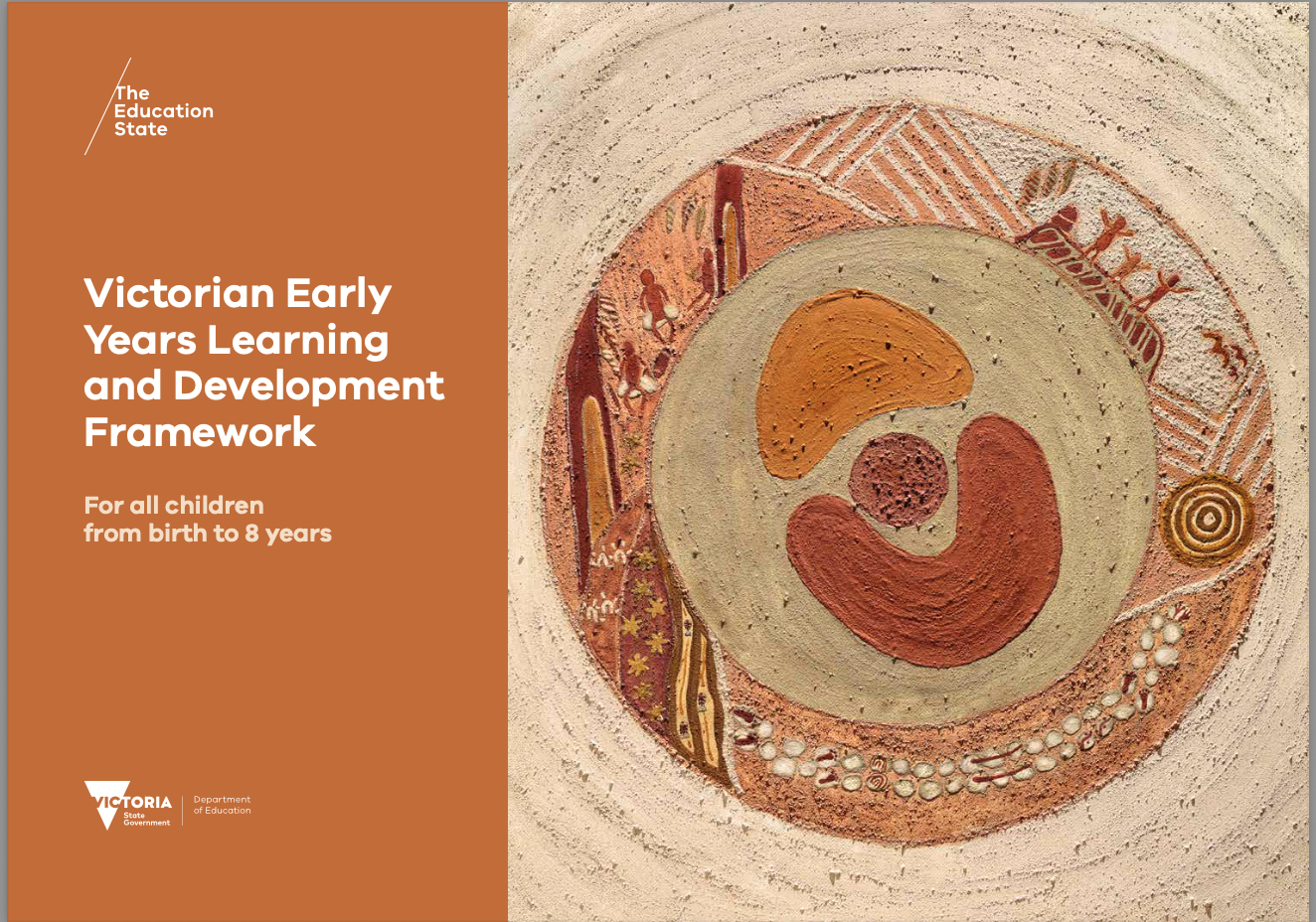
Early Childhood educators are guided by their deep knowledge of child developmental milestones, they are also guided by two frameworks – the national Early Years Learning and Development Framework V2.0 (EYLDF) and the Victorian Early Years Learning and Development Framework (VEYLDF). The new version was just released this week. These frameworks guide the educators to look at children's learning and growth through five outcome areas – these areas are what your child’s teachers will have talked to you about, sometimes focussing more on one or two areas rather than all five:
- Children have a strong sense of identity
- Children are connected with and contribute to their world
- Children have a strong sense of wellbeing
- Children are confident and involved learners
- Children are effective communicators
The Victorian frameworks align with the Victorian curriculum from the foundation level to Year 2. There is no expectation that children will meet every goal in every outcome area; rather, this is seen as a continuum from babies to eight-year-olds approximately.
The framework speaks to ways of assessing children’s development and learning as one of the eight interrelated practice principles – assessment ‘for children’s learning’ ( formative assessment ), assessment ‘of children’s learning’ (summative assessment – generally what you have experienced in a PTI recently) and assessment ‘as learning’, or developing children’s awareness of their own learning and development. The use of the learning journals is one way we facilitate this across their time in the ELC. The children share their joy and pride and are able to share and acknowledge their growth and learning in their reflections. This is built on by the educators by developing further goals as they do in their dialogue with you.
Thank you to all the amazing Early Childhood teachers for their work in the parent-teacher interviews, and to all the parents who make the time to book an interview and engage in this important two-way process.
Wendy Seidler
ELC Director – Kew campus