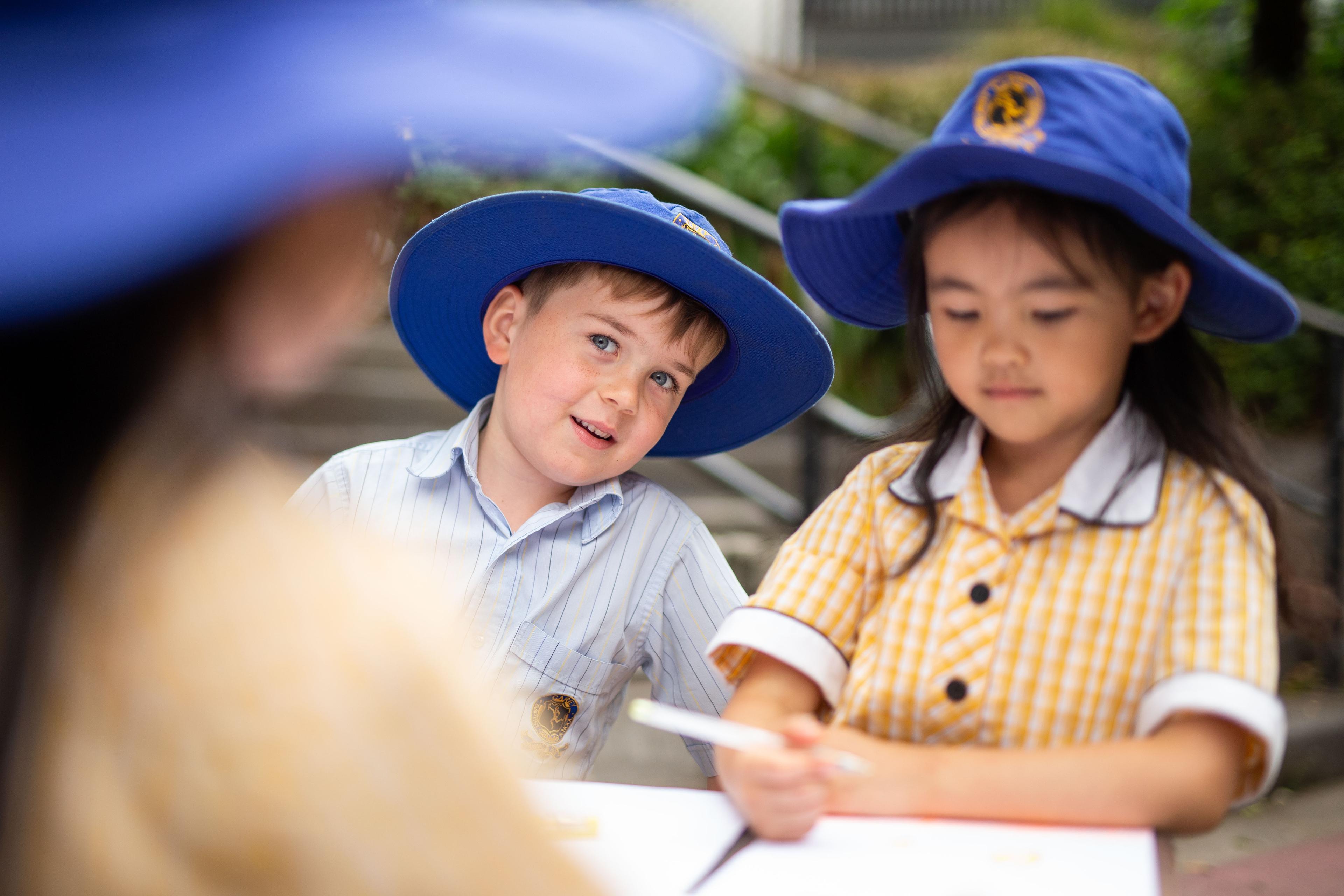

Most young children will collect and carry some random object around at some time in their early childhood years. For adults, this is often puzzling: a stick, a small rock, a receipt from a shop, bottle tops – the list is long and varied. Others will become attached to one specific transitional object: a teddy bear, a special blanket, a dummy or two – and this list is equally long and interesting. Often parents try to have spares or backups, but the children can’t be fooled; the smell, texture and look are quite different from the very loved and worn transitional object.
The term ‘transitional object’ was coined by the English paediatrician and psychotherapist Donald Winnicott. The idea is that a physical item the child chooses helps them bridge the gap between their internal fantasy world and their capacity to transition into the real world.
Children’s worlds change often, and adults decide most things for them. Choosing a thing enables children some control – the ownership matters more often than the actual thing. Once they decide ‘this is mine’, an ordinary object can become very important. It doesn’t need to be expensive or even bought or special in an adult’s eyes; it becomes special by being chosen by the child.
Children will give objects meaning adults often can’t see. A stick becomes a sword or wand, a stone a treasure or magic, a box a house – the beginning of symbolic meaning, using one thing to represent another. Some objects have a comforting role while the child transitions to someplace new; this can give the child something physical to hold onto, to touch and keep close, a connection to home or a familiar adult. As we understand, young children explore and make sense of the world through touch. The reluctance to put down the object is often not so much about the object itself but the connection the object has for them to familiarity and some sense of control over their world. Then, when children feel safe and secure, they will often leave the object, change objects and are able to leave it for periods of time, showing greater mastery and emotional independence.
What have you noticed about your child or children, and what memories do you have of your childhood transitional objects? They might be nice stories to share with your children.
Wendy Seidler
ELC Director – Kew campus