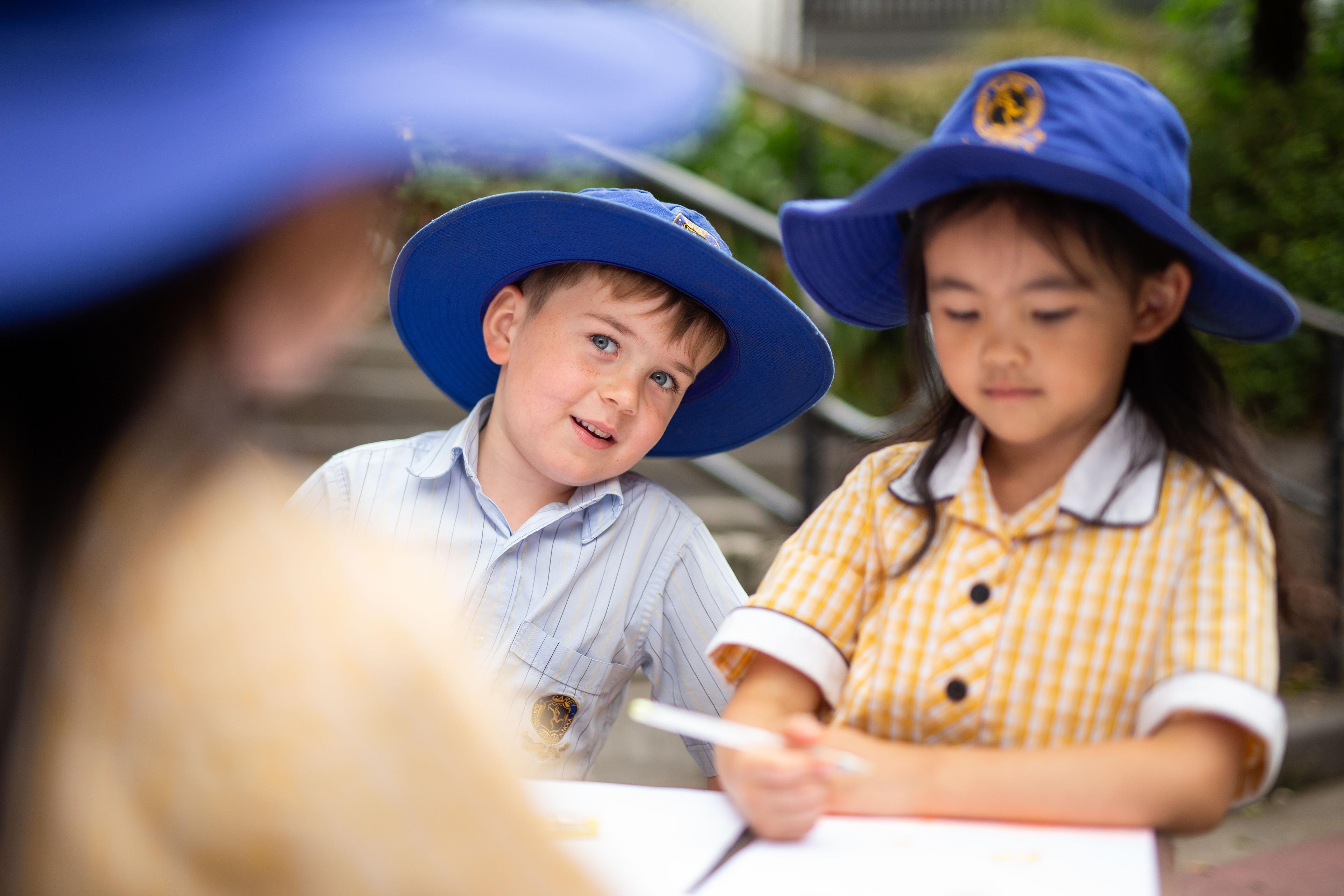
As the year draws to a close and a new one approaches, educators in Carey’s Early Learning Centres are thoughtfully partnering with children and families to prepare for the important transitions that lie ahead. This season brings much to celebrate as we reflect on each child's growth and achievements, while also supporting them to navigate the changes and opportunities that accompany a new stage of learning.
Within the Early Years Learning Framework V2.0, 2022(EYLF) and the Victorian Early Years Learning and Development Framework (VEYLDF), strong relationships and continuity of learning are recognised as essential foundations for successful transitions. We know when children feel secure, supported and connected, they are more confident to explore new environments, build relationships and engage in learning.
Every transition asks children to do important cognitive and emotional work. Whether moving from home to the Early Learning Centre or daycare setting, transitioning between activities throughout the day or preparing to begin at a new ELC or school, children are learning to pause, reset, adapt their thinking and respond to new expectations. When transitions are supported through predictable routines, strong relationships and responsive teaching practices, children develop the confidence, resilience and flexibility needed to navigate change throughout their lives.


We are reminded through VEYLDF's Cultural Knowledge Story, the River of Life, that every child travels a unique pathway shaped by family, culture, relationships, experiences and community. By working in partnership with families, educators can honour each child's individual journey and create meaningful transitions that nurture a strong sense of identity, belonging and wellbeing.
At Carey’s Early Learning Centres, educators carefully plan transition experiences that support children's growing independence while ensuring they feel safe, valued and ready for new challenges. Through visits, conversations, shared experiences and opportunities to become familiar with new environments and routines, children are gradually supported to take their next steps with confidence.
Families play an important role by speaking positively about upcoming changes, maintaining consistent routines and sharing valuable insights about their child's strengths, interests and needs through co-ordinated support and valuable tools like the Transition Learning and Development Statement that is used in each child’s year of four-year-old kindergarten.
Educators support children by building secure relationships, preparing them for what to expect and creating opportunities to practise new skills in a safe and supportive environment and supporting them if they need a personalised transition with more time.
Schools contribute by fostering welcoming communities, developing connections with families and early childhood services and ensuring continuity of learning and wellbeing.
When families, educators and children work together, transitions become more than a change from one setting to another. They become opportunities for growth, helping children build the confidence, adaptability and sense of belonging that will support them throughout their learning journey.
Anne Fahey
ELC Director – Donvale campus